

Hybrid learning, a more practical approach to modern education
Anyone researching funeral service education quickly realizes there isn’t just one path into the profession anymore. Traditional on-campus programs are still available, and fully online options have become more common, but for many students, neither approach feels like a complete fit.
That’s why hybrid programs have become an increasingly popular option. By combining online coursework with required in-person training, they offer a more balanced and realistic way to prepare for a career in funeral service.
One of the most noticeable advantages of a hybrid program is flexibility. Coursework such as lectures, assignments, and discussions is delivered online, allowing students to manage their schedules and continue working or meeting personal responsibilities while pursuing their education.
For many students, this makes the difference between being able to pursue a degree or not. Instead of stepping away from work or relocating, they can integrate education into their existing lives.
At the same time, hybrid programs are not designed to be easier. They maintain the same academic expectations and rigor as traditional formats, ensuring that students receive a strong foundation in funeral service education.
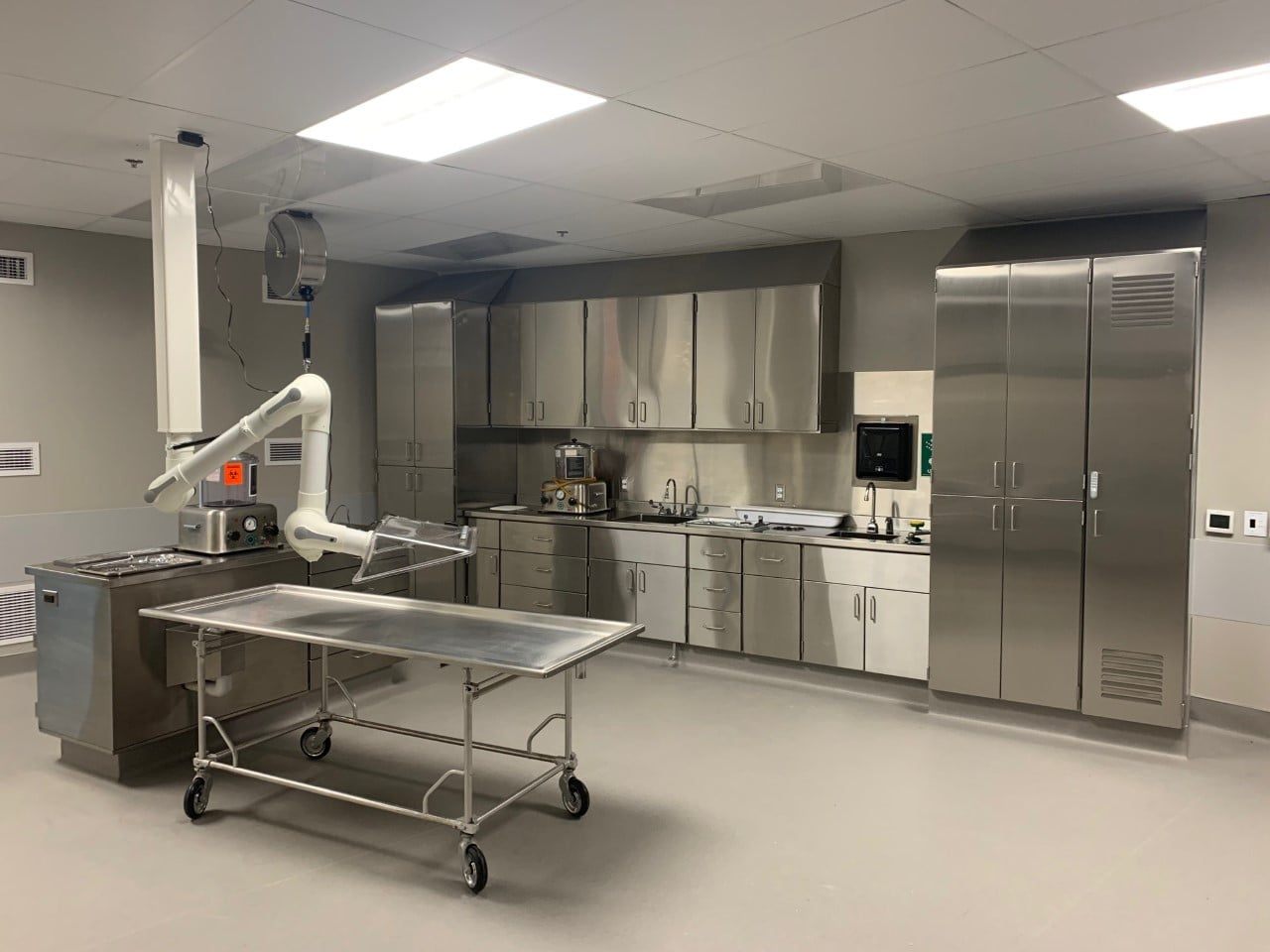
Hands-on training is a key component of hybrid funeral service programs.
“
Why Fully Online Isn’t Enough
Funeral service is not a field that can be learned entirely through theory. While online learning provides an important base of knowledge, many core skills require hands-on experience to truly understand and master.
Hybrid programs address this directly by requiring students to participate in on-campus training. These experiences typically include embalming labs, restorative art instruction, funeral directing simulations, and practicum experiences such as first calls and services.
These components are not just enhancements to the program—they are essential. They ensure that students develop the technical ability, confidence, and professionalism needed to work in real-world funeral service environments.
Connecting Knowledge to Real-World Experience
What makes the hybrid model especially effective is how it connects online learning with in-person application. Students may spend time studying concepts like anatomy, chemistry, or theory online, then apply that knowledge directly during hands-on campus sessions.
This transition from theory to practice strengthens understanding and helps students retain what they’ve learned. It also allows them to build confidence in skills that are critical to the profession.
By the time students complete their program, they are not just familiar with concepts—they have already practiced and applied them in structured, supervised environments.
Preparation That Matches the Profession
Funeral service requires a unique combination of technical expertise, professionalism, and interpersonal skill. Hybrid programs are designed to develop all of these areas together.
Students gain experience in embalming and restorative techniques, learn about public health and safety standards, and develop an understanding of the legal and ethical responsibilities that come with the profession. Just as importantly, they build communication skills that are essential when working with families.
This kind of preparation ensures that graduates are ready to step into the field with both knowledge and practical experience.
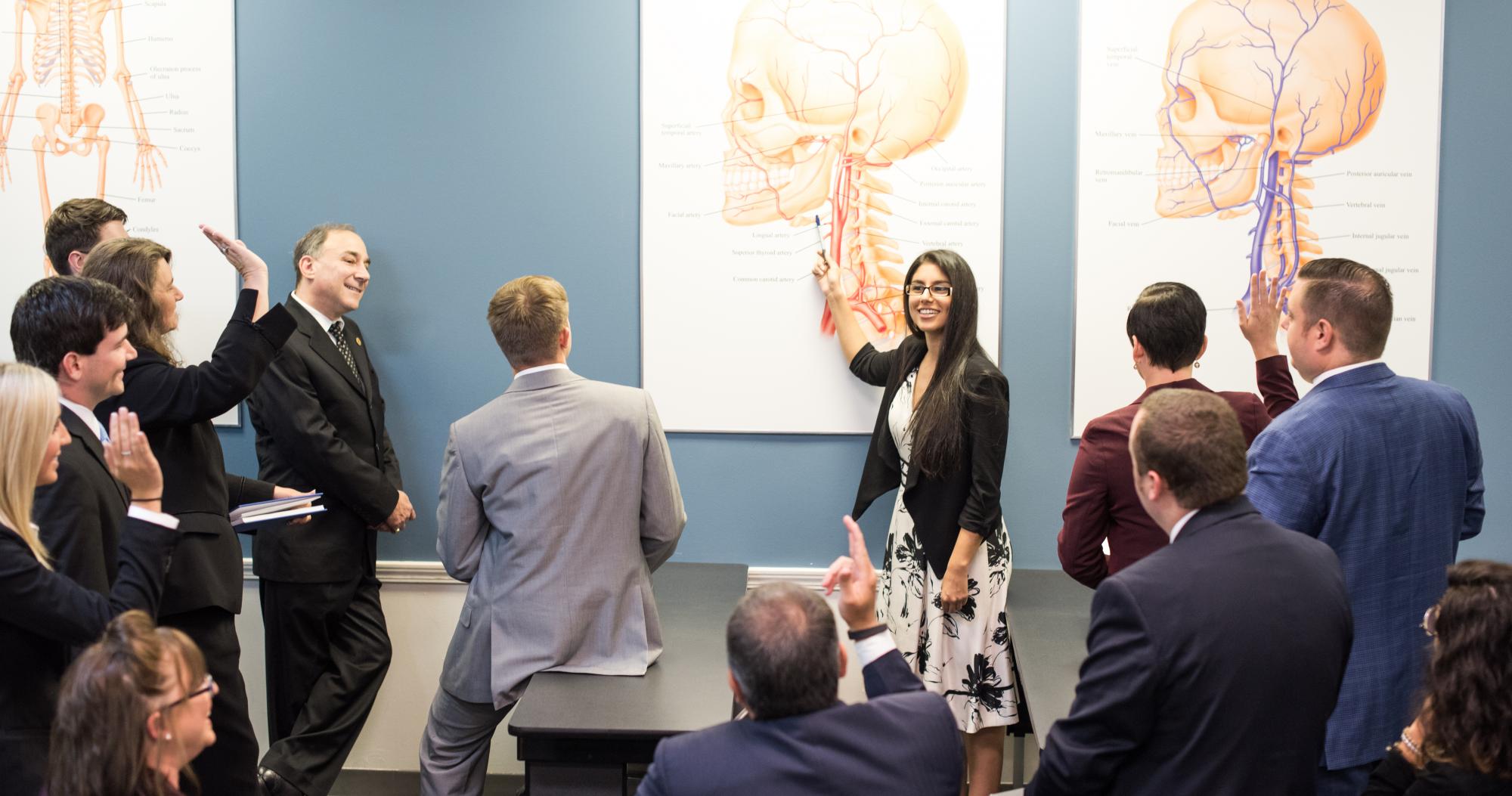
Understanding anatomy is foundational in funeral service education and is reinforced through both classroom and hands-on learning.
A Format That Works for Today’s Students
Hybrid programs also reflect the reality that today’s students come from a wide range of backgrounds. Some are entering the field directly out of school, while others are working professionals or individuals making a career change.
The flexibility of online learning allows these students to continue managing their responsibilities, while the structure of required on-campus training provides accountability, support, and connection with instructors and peers.
Rather than forcing students into a one-size-fits-all model, hybrid education adapts to their needs without compromising the quality of training.
A Balanced Path Into Funeral Service
As funeral service continues to evolve, so does the way students prepare for it. Hybrid programs reflect that evolution by combining accessibility with hands-on learning.
For those exploring a career in funeral service, it offers a clear advantage: the ability to pursue a degree in a way that fits their life, while still gaining the experience required to succeed in the profession.
It’s not simply a more flexible option—it’s a more complete one.